
2026 Wading Gear Goes Lighter, Greener, and Grippier
 March 9, 2026
  Comments Off on 2026 Wading Gear Goes Lighter, Greener, and Grippier
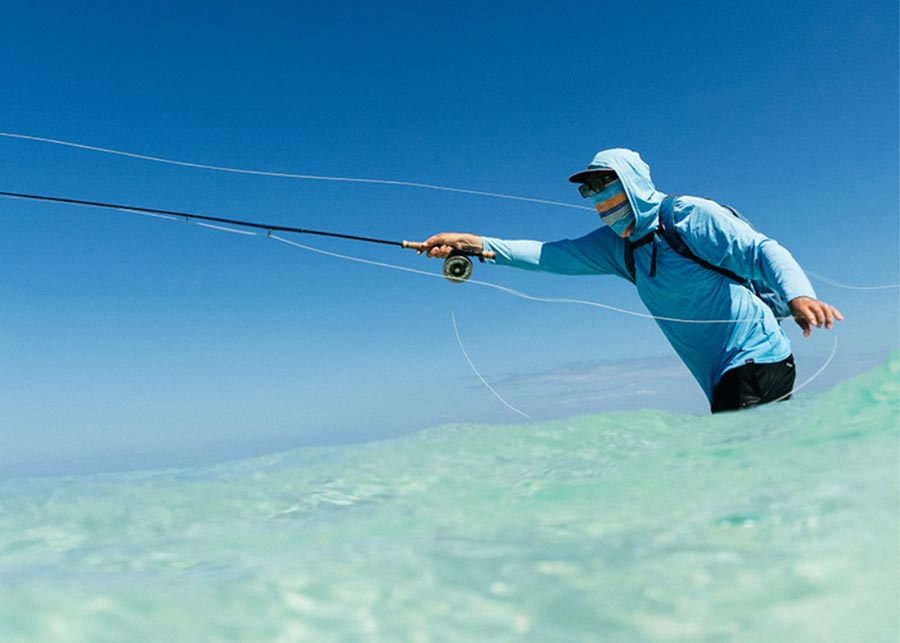
The 2026 wading gear market has arrived with recycled fabrics, PFAS-free water repellents, and smarter sole technology as the expected baseline. Several major releases in the past few months—from Patagonia, Simms, Skwala, Guideline, and SITKA Gear, which just entered the fishing category—reflect an industry where materials science now pairs durability with a lighter chemical footprint.
Waders: Recycled Shells and the End of Forever Chemicals
Patagonia’s Swiftcurrent Traverse Wading Pants—part of a broader 2026 product expansion—fill a gap for anglers who don’t need chest-high coverage: those hiking small streams, casting from drift boats, or wet-wading warm flats. The pants use a 4-layer, 5.6-ounce H2No® Performance Standard shell built entirely from recycled materials and treated with a DWR finish made without intentionally added PFAS. An expandable waistband, articulated seat and legs, and a repatterned crotch gusset round out a design aimed at low-bulk versatility.
Guideline’s Driva Zip Wader takes a similar tack. The Scandinavian brand built the Driva around its Scale™ PRO membrane technology—a 4-layer high-tenacity polyester with nylon tricot lining, made from 100 percent recycled materials—and paired it with bluesign®-approved fabrics and a PFAS-free DWR coating. The wader posts a 20,000mm waterproof rating and 7,000 g/m²/24h breathability, with a TiZip® MasterSeal front zipper for easy entry and exit.
The biggest disruption comes from SITKA Gear, the Bozeman, Montana-based hunting apparel maker owned by W.L. Gore & Associates, which launched SITKA Fish on February 3. The brand’s Crosscurrent Wading System includes zip and non-zip stockingfoot waders priced from $800 to $1,000. The zip model uses 4-layer GORE-TEX PRO construction; the convertible non-zip pairs a lighter 3-layer GORE-TEX upper with 4-layer GORE-TEX PRO from the waist down to reinforce high-wear zones. SITKA says both configurations target a persistent industry pain point—wader breakdown through repeated wet-dry cycles. Companion wading boots ($249 felt, $299 rubber) feature replaceable traction systems and quick-drying materials.
SITKA estimates that 70 percent of its existing hunting customers also fish, and the brand launched alongside five conservation partnerships, including the Theodore Roosevelt Conservation Partnership, American Rivers, and Keep Fish Wet.
Boots: Better Grip, More Versatility
Boot innovation in 2026 centers on sole compounds and cross-terrain functionality.
Skwala entered the footwear category this year with two models—the RS and Carbon wading boots—each built around a proprietary tri-tiered lug pattern developed in collaboration with Vibram® using Vibram’s IdroGrip™ compound. The RS is the heavier-duty option, engineered for rough terrain with double-lasted construction, TPU-reinforced uppers, and a fully molded Vibram toe cap. The Carbon sheds about seven ounces per pair, blending a hiking-boot mentality with wading-boot stability—think long approaches on freestone rivers where trail comfort matters as much as in-stream traction. Both models feature a dual-layered, figure-8 ESS rock plate and removable OrthoLite® insoles.
Simms tackled the rubber-sole durability problem with its new Access Boot, which uses what the company calls G.O.A.T.—Grip On Aquatic Terrain—construction. The design pairs Vibram® IdroGrip Flex, a softer compound engineered for wet-slip resistance, in the center of the outsole with harder Vibram® IdroGrip on the edges. The softer center grips slick substrate; the harder perimeter resists the abrasion that chews through conventional rubber soles. TPU woven uppers shed water quickly, and a self-draining EVA midsole cuts weight step after step.
For anglers who move between skiff decks and shorelines, Patagonia’s River Salt Wading Boots II offer Vibram® Megagrip anti-slip, nonmarking soles paired with Cordura® nylon mesh uppers that resist coral and rock abrasion while drying fast. A high collar and adjustable ankle strap add stability and keep sand out—a small detail that matters on flats where grit is constant.
What It Means for Anglers
Two years ago, an angler shopping for PFAS-free waders with recycled-fabric construction had a short list. In 2026, that angler has options from Patagonia, Guideline, and SITKA—each with distinct design philosophies and price points—while boot makers are engineering sole compounds that deliver grip and durability together.
None of this gear is cheap. SITKA’s Crosscurrent waders start at $800. Patagonia’s Traverse Pants and Swiftcurrent waders sit at the premium end of their respective categories. But for anglers who put serious miles on their equipment and care about what leaches into the rivers they fish, the 2026 class delivers gear that performs without asking the water to absorb the cost.