Paua And Abalone
 July 31, 2025
  0 Comments
Pāua Abalone: New Zealand’s Iridescent Ocean Treasure
Nestled along the rugged coastlines of New Zealand lies one of the country’s most extraordinary marine gems—pāua abalone. Known for its radiant shell and succulent meat, pāua (Haliotis iris) is a uniquely Kiwi treasure, beloved by chefs, artisans, and ocean enthusiasts alike.
But pāua is more than just a beautiful shellfish—it represents a delicate balance between nature, tradition, sustainability, and taste. Here’s why pāua abalone is truly a marvel of the sea.
What Is Pāua Abalone?
Pāua is a species of abalone found exclusively in New Zealand waters, making it a prized endemic resource. Its shell is instantly recognisable—an iridescent swirl of blues, greens, purples, and pinks that catch the light like stained glass beneath the sea.
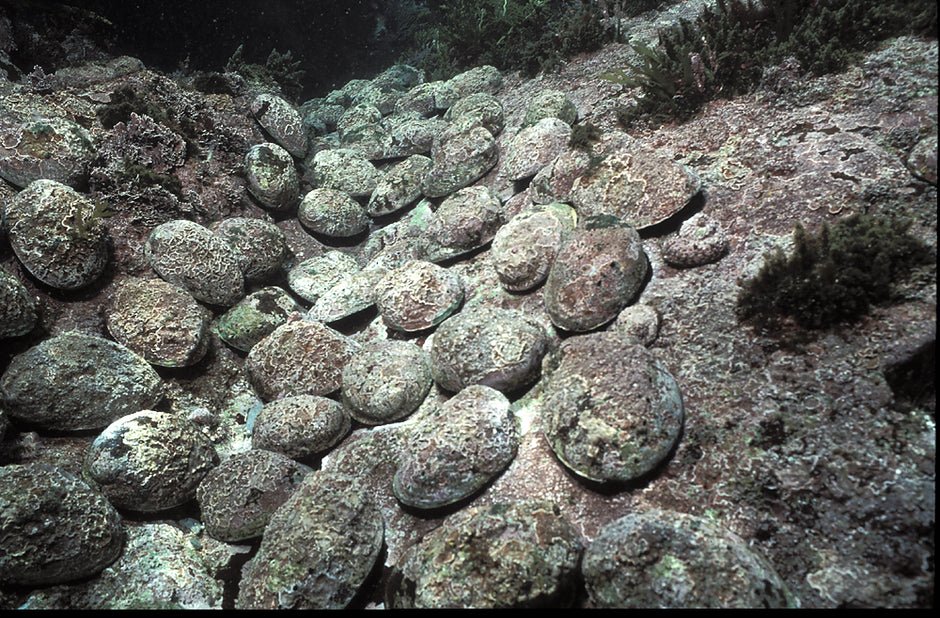
Pāua belong to the gastropod family, closely related to snails, but they’ve carved out a cultural and culinary status far beyond their humble biology. They cling to rocks along exposed coastlines, grazing on seaweed and algae, and are most commonly found in the cool, clear waters of the South Island’s east coast, including Kaikōura and Motunau.
Deep Cultural Significance
For Māori, New Zealand’s indigenous people, pāua holds deep cultural and spiritual importance. The shell, known as pāua, is used in traditional carvings and taonga (treasures), particularly as inlaid eyes in wooden carvings to represent wisdom and life force.
Pāua is also a customary food source, often gathered by hand during kaimoana (seafood) harvests. It features in Māori cuisine, celebrations, and gifting traditions, symbolising connection to the sea and the natural world.
Culinary Delicacy
In the kitchen, pāua is celebrated for its firm yet tender texture and subtle, briny flavor. It’s often compared to scallops or squid but has a richness all its own.
Popular ways to enjoy pāua include:
-
Sliced and raw as sashimi (for the freshest, thinnest cuts)
-
Minced into fritters, a classic Kiwi dish often paired with lemon or garlic aioli
-
Slow-cooked or braised, to tenderise older, larger specimens
-
Stir-fried Asian-style, with soy sauce, ginger, and greens
High-end restaurants feature pāua on tasting menus, and it’s a coveted export to Asia, where it’s considered a luxury seafood.
Sustainable Harvesting Practices
New Zealand is known for some of the world’s most strict and effective fisheries management, and pāua is no exception. Only free-diving is permitted when harvesting wild pāua—no scuba, hooks, or mechanical aids allowed. This ensures minimal habitat disruption and selective harvesting of legal-sized individuals.
Key rules include:
-
Minimum size limit (125mm for blackfoot pāua)
-
Daily catch limits (10 per person in most areas)
-
Prohibited areas and closed seasons in some regions
-
No taking pāua in berry (reproducing females), helping protect future stocks
Commercial pāua farms have also emerged, offering a sustainable alternative while reducing pressure on wild populations.
Artistry in a Shell
Beyond the plate, pāua’s real showstopper is its shell. Polished pāua shell is used in:
-
Jewelry (pendants, earrings, rings)
-
Souvenirs (keychains, coasters, magnets)
-
Musical instruments (inlay on guitars and traditional instruments)
-
Furniture and carvings, especially in Māori wharenui (meeting houses)
Each shell is one-of-a-kind, and its brilliance makes it a favorite in fine craft markets and boutique galleries around the world.
Why Choose Pāua?
When you choose New Zealand pāua, you’re not just indulging in a delicious seafood or buying a decorative piece. You’re also:
-
Supporting local coastal communities
-
Encouraging sustainable, low-impact harvesting
-
Promoting indigenous traditions and craftsmanship
-
Contributing to marine biodiversity and conservation efforts
Whether it’s on your dinner plate or around your neck, pāua offers a connection to New Zealand’s oceans, people, and heritage.
Where Can You Find It?
Some of the best pāua diving and gathering spots in New Zealand include:
-
Kaikōura – a coastal town known for its marine life and seafood
-
Wairarapa Coast – remote and rich in pāua beds
-
Otago and Southland – with chilly waters and rocky coastlines ideal for pāua
-
Motunau and Banks Peninsula – popular among divers from Christchurch
You can also purchase pāua in seafood markets (fresh or canned), specialty stores, and tourist shops selling local crafts.
Final Thought: A True Kiwi Icon
Pāua is a symbol of New Zealand’s ocean bounty—a blend of flavor, beauty, and tradition. From the hands of free-divers to artisan jewellers and master chefs, it travels a path that reflects the country’s deep respect for the sea.
So next time you’re exploring New Zealand, dining on fresh seafood, or searching for the perfect souvenir, look for pāua—the iridescent treasure of Aotearoa
.