
Colorado’s Tolland Ranch and Georgia’s Okefenokee Land Deal Expand Fly Fishing Access in 2026
 March 30, 2026
  Comments Off on Colorado’s Tolland Ranch and Georgia’s Okefenokee Land Deal Expand Fly Fishing Access in 2026
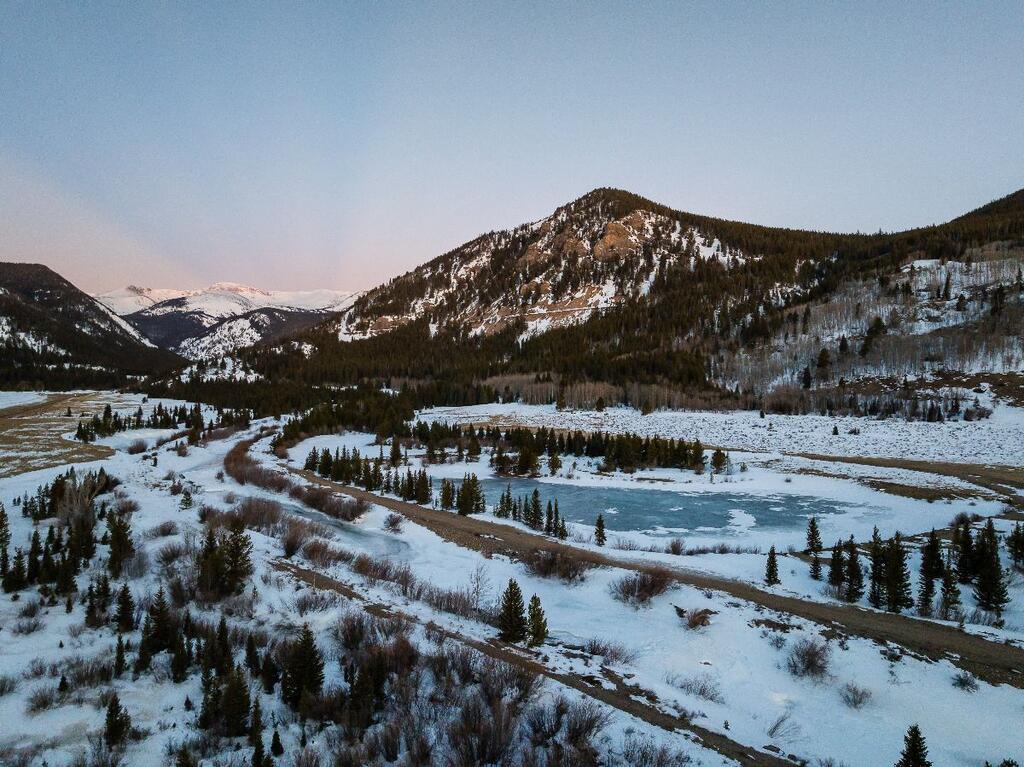
A landmark Colorado acquisition, a conservation follow-through in Georgia, and a sweeping federal access directive add up to a strong spring for angler access on public land. Image courtesy of Colorado Parks and Wildlife.
In the span of a few months, fly anglers secured the promise of access to miles of previously private water, saw a multi-year mining fight around a storied Georgia swamp conclude with public access on the table, and watched a new federal directive reframe how Interior Department lands are managed for hunting and fishing. The wins arrived through different channels, but their combined direction is the same: more water, more miles, more opportunity.
Colorado’s Tolland Ranch Becomes a State Wildlife Area
The centerpiece is Colorado. On March 6, Governor Jared Polis, Colorado Parks and Wildlife, and The Conservation Fund announced the conservation of Tolland Ranch—3,314 acres in Gilpin and Boulder counties, tucked against the Roosevelt National Forest and the James Peak Wilderness about an hour from Denver. The Conservation Fund acquired the property from the Toll family and conveyed it to CPW, which will manage it as a new State Wildlife Area.
For fly anglers, the immediate prize is access to 3.5 miles of South Boulder Creek, previously locked behind private ownership. The creek holds brook, brown, and rainbow trout. The ranch also includes 16 ponds and borders more than 14 miles of national forest and county open space, stitching together a migration corridor for elk, deer, and moose, with blue grouse, waterfowl, snowshoe hare, and red fox among the documented residents.
Four generations of the Toll family had owned and stewarded the property since 1893—more than 130 years of private stewardship that kept the land intact. A conservation easement established in 2015 had already protected it from development; this acquisition takes the next step, transferring it into permanent public hands. CPW is developing a management plan and plans to evaluate opening the area to limited hunting and fishing in fall 2026, after necessary accessibility updates and regulations are made. Visitors will need an SWA pass, hunting license, or fishing license to access the property.
The deal was funded in part through Colorado’s $12.47 Habitat Stamp, the annual fee hunters and anglers pay when applying for licenses. That program—the Colorado Wildlife Habitat Program—has now secured more than 300,000 acres in conservation easements and nearly 35,000 acres in fee title for Coloradans. Great Outdoors Colorado, which directs a portion of state lottery proceeds to conservation, also contributed to the purchase.
“Protecting Tolland Ranch is a once-in-a-generation conservation achievement for Colorado,” said Justin Spring, vice president and Colorado state director at The Conservation Fund. “With Colorado Parks and Wildlife managing the property, this win protects vital wildlife habitat, creates new public access for fishing and hunting and preserves access for Nordic skiing.”
CPW Northeast Region Manager Shannon Schaller called it an honor to steward habitat of this quality. Eldora Mountain Resort’s existing Nordic ski lease on the northern portion of the property will continue under CPW management, and Boulder County’s Kinglet Trail, a mountain bike trail, remains open on its current terms.
Georgia Moves to Lock Down Okefenokee Gains
In Georgia, a yearslong fight over mining on the southeastern fringes of the Okefenokee National Wildlife Refuge reached a new stage in March when the state announced it would acquire roughly 4,000 acres on Trail Ridge from The Conservation Fund for $7 million, converting the parcel into a Wildlife Management Area with public hunting and fishing access.
The backstory matters. In June 2025, The Conservation Fund purchased approximately 8,000 acres from Twin Pines Minerals—the Alabama company that had sought to mine titanium and zirconium on Trail Ridge—for just under $60 million, permanently ending the mining threat. Trail Ridge forms the eastern boundary of North America’s largest blackwater swamp, and scientists had warned that mining there would disrupt the Okefenokee’s hydrology and fuel wildfire risk across the surrounding landscape.
Georgia’s acquisition is the next phase: the state is buying a portion of that now-protected land from TCF, supported by a $7 million grant from the Georgia Outdoor Stewardship Program, to establish permanent public recreational access. The new WMA has not yet been named and is not expected to open to the public until 2027, according to Georgia DNR Deputy Commissioner Trevor Santos. When it does, it will be managed for wildlife habitat, hunting, and fishing. The property harbors gopher tortoises, eastern indigo snakes, and Florida sandhill cranes, among other species.
The Okefenokee National Wildlife Refuge itself—402,000 acres of wilderness water, cypress, and blackwater channels—is under consideration for UNESCO World Heritage Site designation, which would place it alongside landmarks like the Grand Canyon and the Galápagos Islands.
Federal Lands Shift to “Open Unless Closed”
On January 13, Interior Secretary Doug Burgum announced Secretarial Order 3447, establishing a department-wide policy that Interior-managed lands are presumed open to lawful, regulated hunting and fishing unless a specific, documented exception applies. The order covers Bureau of Land Management lands, National Wildlife Refuges, Bureau of Reclamation properties, and select National Park Service units where hunting is already authorized. Permanent statutory closures—Yellowstone, Yosemite—remain unaffected.
The shift is primarily procedural: the burden of justification now falls on agencies to explain closures rather than on anglers to seek permission. In the near term, most anglers fishing BLM or refuge water will see little immediate change, since much of that land was already open. The longer-term implication is that agency-level reviews, required within 60 and 150 days of the order, must identify remaining restrictions and either justify them or eliminate them.
The Theodore Roosevelt Conservation Partnership—a coalition of hunting and fishing conservation organizations—welcomed the order, calling it a reinforcement of hunters’ and anglers’ roles in conservation funding and management. U.S. Fish and Wildlife Service Director Brian Nesvik said his goal is to have all refuges and hatcheries open to hunting and fishing within two years, except where legal mandates, public safety, or sensitive species or habitat conflicts require otherwise.